

Can a New Pigment Replace the Current Grade in a Waterborne Ink?
Compare the candidate in the existing waterborne ink formula to decide whether the grade can be replaced directly or needs a separate reformulation trial.
Procurement Guide
Insights, trends and innovations shaping the chemical industry.
Compare the candidate in the existing waterborne ink formula to decide whether the grade can be replaced directly or needs a separate reformulation trial.
Procurement Guide
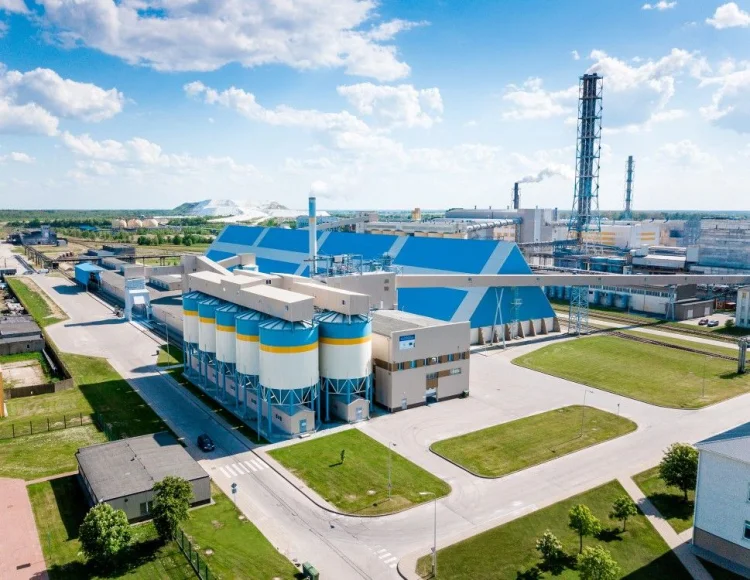
Shortlist dry pigment-grade carbon black for waterborne inks using comparable grade specifications, then verify the sample lot against its certificate of analysis before starting the ink trial.
Procurement Guide
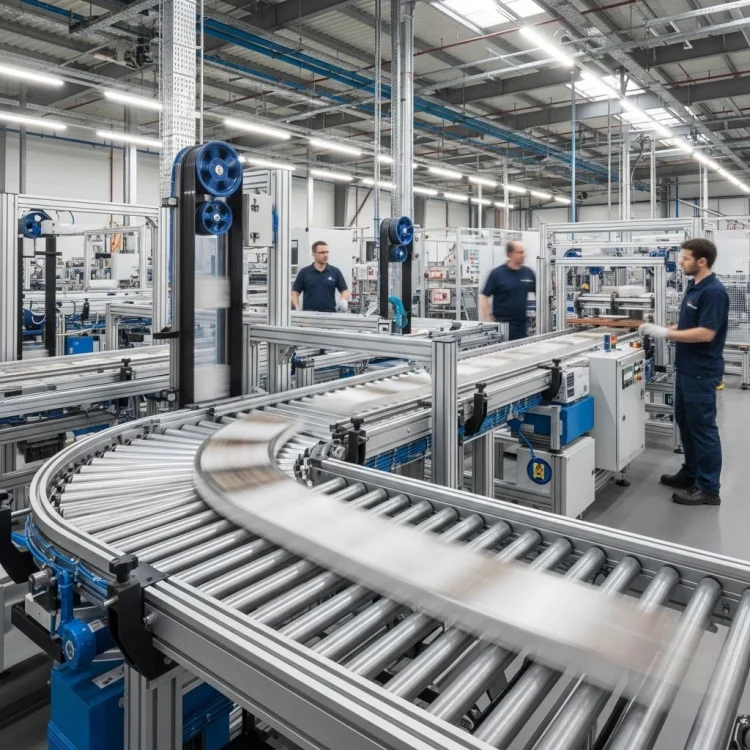
Choose rubber heat-aging protection by screening appearance and cure compatibility first, then comparing absolute aged properties, retention and dosage tradeoffs for aminic, phenolic and complementary antioxidant packages.
Procurement Guide
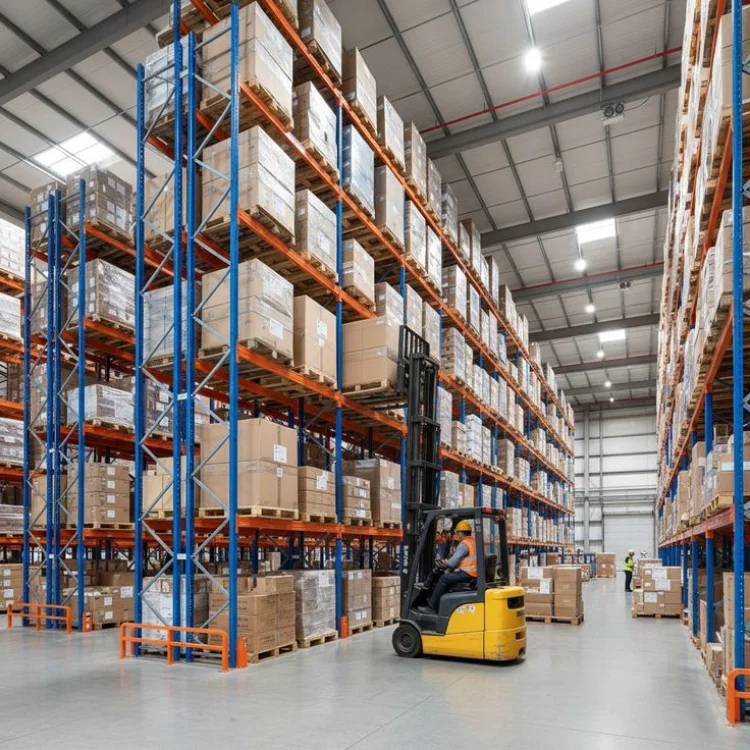
Evaluate phthalocyanine coating pigments by identifying the color system, locating the first instability, and distinguishing dispersion, separation, and crystal change with appropriate controls.
Quality & Compliance

Diagnose texture changes after an LBG substitution by locating the first process-stage difference, testing one adjustment across both gums, and validating the cooled dessert.
Chemical Application Solutions
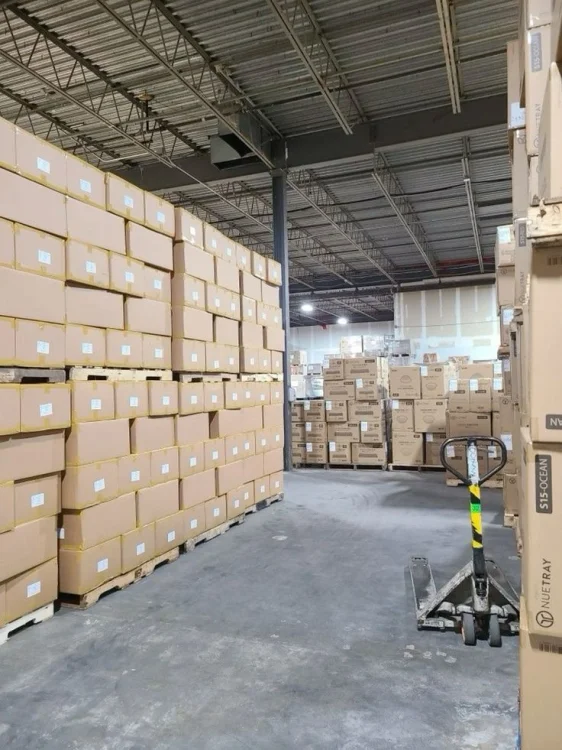
Match silane functionality to the actual cure reaction and treatment route, then compare candidates using explicit dose bases, measured cure state, and conditioned application performance.
Chemical Application Solutions

Electrolyte supply-chain localization redistributes quality evidence across manufacturers, processors and delivery operators, requiring approval of the documented material route.
Industry Trends

Use matched viscosity measurements, a pigment-free vehicle control and staged additions to determine why waterborne acrylic ink thickens after binder letdown.
Procurement Guide
Compare rutile TiO₂ through grade suitability, controlled hiding tests and the complete formulation cost per accepted square metre.
Procurement Guide

Select lecithin and PGPR through controlled trials that distinguish plastic viscosity from yield stress and verify application performance separately from standardised molten-state rheology.
Procurement Guide

Select biscuit leavening systems by residual alkalinity, neutralization duty and reaction timing, then use matched production-relevant trials to decide whether to adjust chemistry or processing.
Procurement Guide

Select silane, silane–siloxane, or potassium methylsiliconate treatments through substrate-specific comparisons that separate application conditions, cure, and performance testing.
Quality & Compliance
why choose us
Trusted Manufacturer
With our own production facilities, we ensure consistent quality, reliable supply, and full traceability.
Rigorous Quality Assurance
Each batch undergoes strict QC, accompanied by COA, MSDS, and full compliance with international standards.
Advanced R&D Expertise
Our in-house lab drives process innovation, new product development, and tailored synthesis solutions.